

Background: Sexual violence is a public health concern, a violation of human rights, and a marker of gender inequality. In Kenya, it is estimated that nearly two thirds of girls experience sexual assault. Sexual and gender-based violence (SGBV) is higher among girls and women in rural areas and urban slums. Despite the high prevalence of SGBV, majority of survivors do not report to the police
Objectives: The overarching objective of this study is to provide an estimate of the prevalence of sexual violence among school-going children, and to assess their attitude and confidence in the police, which determines their reporting these cases. We also aim to look for changes in specific attitudes or indicators of progress in their attitudes towards the police over one year, following a police training exercise
Methods: Pooled cross-sectional studies, one at baseline and the second a year later. Study participants are: school-going boys and girls aged 12 to 21 years; police based at gender desks, and Chiefs. We are conducting the study in four counties (Kilifi, Kwale, Kisumu and Homa Bay). First cross-sectional survey will determine the baseline prevalence of sexual violence and attitudes towards reporting SGBV.
The second survey will be conducted a year later, (after the end of the police training exercise) to assess changes in community attitude towards the police management of SV cases and how this effects reporting SGBV. Data collection is through questionnaire-guided interviews conducted by trained research assistants. Data capture is electronic, through the use of tablets. Real-time data is uploaded on to the ODK (Open Data Kits). All participants who are minors provide assent and informed consent is obtained from their parents or guardians.
Activities and strategies:
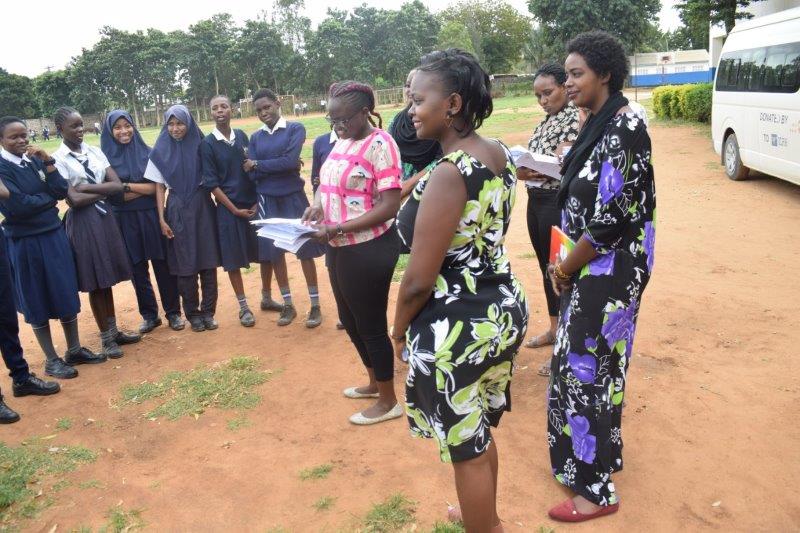
We completed the baseline survey in Kilifi County. In total, 10 schools were selected in Kilifi. 300 students were targeted. 193 collected consent forms for parental consent. 150 brought back the forms and participated in the survey. The study is ongoing.
