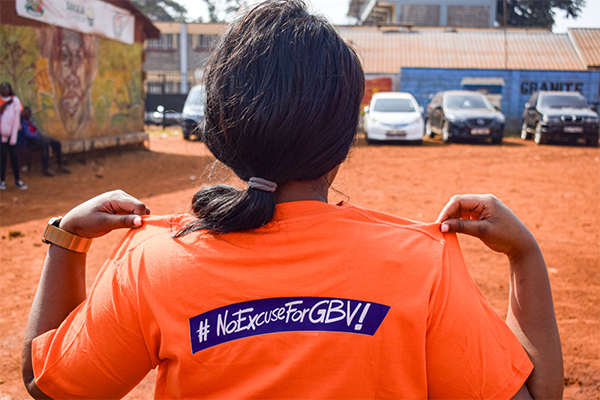
International Centre for Reproductive Health Kenya (ICRHK) leads targeted efforts to prevent and respond to Gender-Based Violence (GBV) through community-based programs, survivor-focused services, and research that informs policy and practice. Our GBV thematic area integrates prevention, help-seeking pathways, and evidence generation and use to build a safer, more equitable society.
"By turning evidence into action, we help shape a future where gender equality is real and violence has no place."
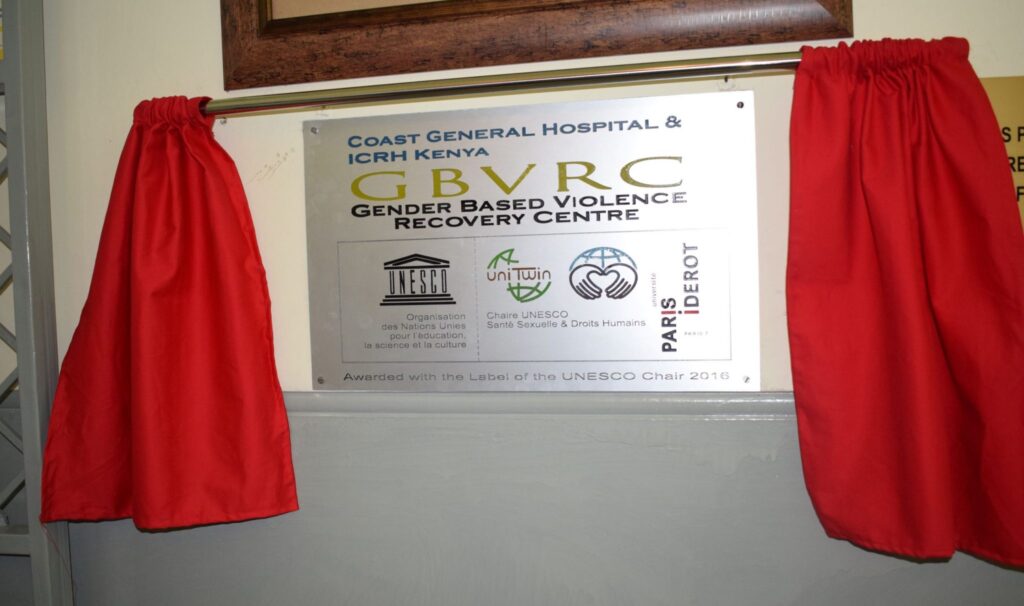
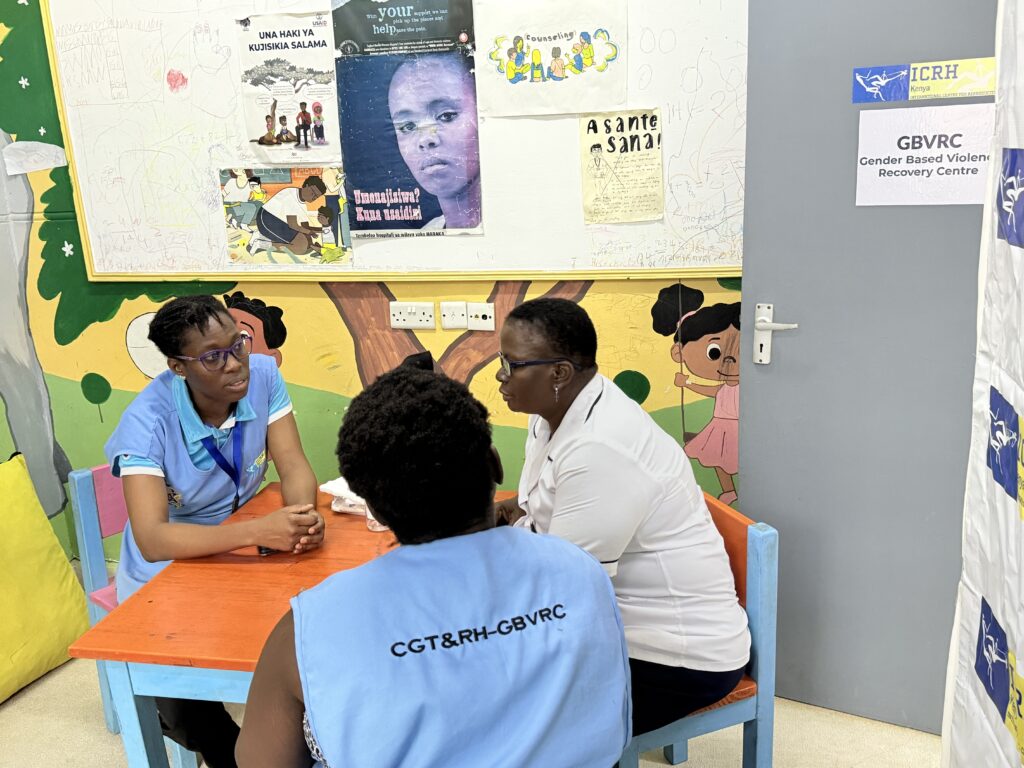
Since its establishment in 2007, the Gender-Based Violence Recovery Centre (GBVRC) at Coast General Teaching and Referral Hospital (CGTRH) in partnership with ICRHK has delivered a high-impact, multisectoral model for addressing GBV in Kenya’s coastal region and beyond. The GBVRC operates a comprehensive one-stop center including emergency medical care, psychosocial counselling, legal support and forensic documentation all under one roof. This integrated approach reduces delays in care, enhancing the dignity and safety of survivors, and supporting a trauma-informed recovery journey. Beyond service delivery, the center has evolved into a national knowledge and advocacy hub. Contributing to capacity building for frontline workers, generating policy-relevant data, and informing the scaling or establishment of similar centers across the country.
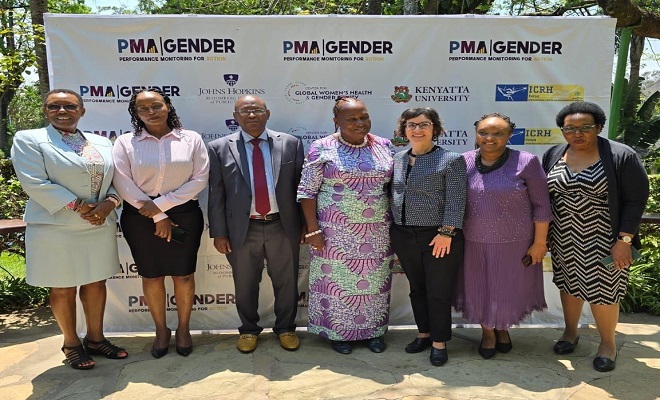
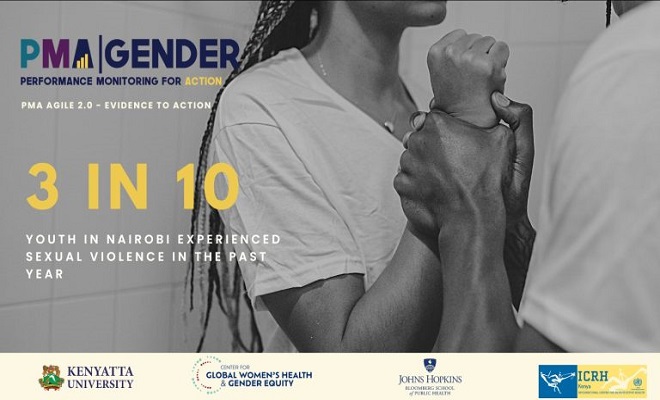
Through our gender and GBV research portfolio, we have explored critical areas such as intimate partner violence, economic and technology-facilitated abuse, harmful gender norms, access to support services, and youth experiences of violence. Our findings have guided the design of survivor-centered programs, informed national and county-level policies, and supported strategic investment in prevention and response systems. ICRHK’s research is recognized as Citizen-Generated Data (CGD) and has been validated by the Kenya National Bureau of Statistics (KNBS) to contribute to monitoring Kenya’s progress toward the Sustainable Development Goals (SDGs) and other national commitments, including ending the Triple Threat (GBV, teenage pregnancy and HIV new infections) among adolescents and youth. We ensure that this data informs public dialogue and decision-making through strategic dissemination, academic partnerships, peer-reviewed publications, and collaboration with gender and health stakeholders.
To promote transparency and wider use of evidence, all ICRHK research datasets are made publicly available six months after data collection ends, enabling further analysis, innovation, and learning across sectors.

ICRHK remains committed to ending violence through collaboration, data, and community-led action. We envision a society where women, girls, and all individuals live free from violence, empowered, safe, and heard.