

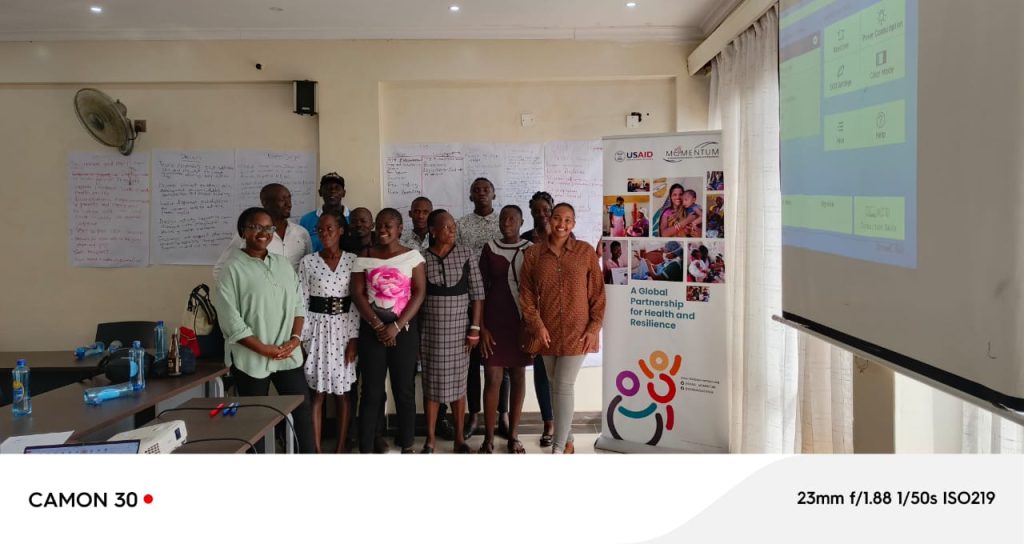
In a bid to tackle capacity gaps and adolescent Sexual and Reproductive Health (SRH) challenges, the International Center for Reproductive Health – Kenya (ICRHK) embarked on a transformative journey, engaging with three Civil Society Organizations (CSOs) representing persons with disabilities, youth, and women. This collaborative effort unfolded across Kakamega, Homa-Bay, and Kilifi Counties, where insights were gathered, and solutions were sought to create a healthier and more inclusive future for all.
The journey began in Kakamega, where vibrant discussions and meaningful interactions took place. The CSOs, serving as pillars of their communities, shared valuable perspectives on the existing challenges faced by adolescents regarding their SRH and the prevailing capacity gaps. This exchange of insights laid a solid foundation for the collaborative efforts that followed, setting the stage for impactful change.
Moving forward, the journey continued to Homa-Bay County, where the focus shifted to engaging with youth-led entities. Here, the discussions delved deeper into the specific needs and challenges faced by young people regarding their SRH. The vibrant energy and enthusiasm of the youth brought a new dimension to the conversation, highlighting the importance of youth empowerment in driving positive change within communities.
The journey culminated in Kilifi County, where discussions with women-led organizations added a crucial perspective to the dialogue. The insights shared by these organizations shed light on the unique challenges faced by women regarding their SRH and the vital role they play in community development. This leg of the journey reaffirmed the importance of gender-sensitive approaches in addressing SRH challenges comprehensively.
Throughout this transformative journey, one thing became abundantly clear: collaboration is key to creating sustainable change. By bringing together diverse voices and perspectives, ICRHK and its partners are paving the way for a future where everyone has access to quality SRH services and the opportunity to lead healthy, fulfilling lives. Additionally, the engagement with CSOs representing persons with disabilities added a crucial dimension to the discussions. In each county, the unique challenges faced by persons with disabilities regarding their SRH were highlighted, underscoring the importance of inclusive approaches in addressing these issues.
By actively involving persons with disabilities in these discussions, ICRHK and its partners are ensuring that their voices are heard and their needs are addressed, ultimately leading to more inclusive and effective interventions.
By collaborating with a diverse range of stakeholders and actively engaging with communities, ICRHK is not only addressing immediate challenges but also laying the groundwork for long-term, sustainable change. This journey has demonstrated the power of partnership and the impact it can have on transforming communities. As the program continues to unfold, ICRHK remains committed to its mission of creating a healthier and more inclusive future for all, leaving no one behind.
