

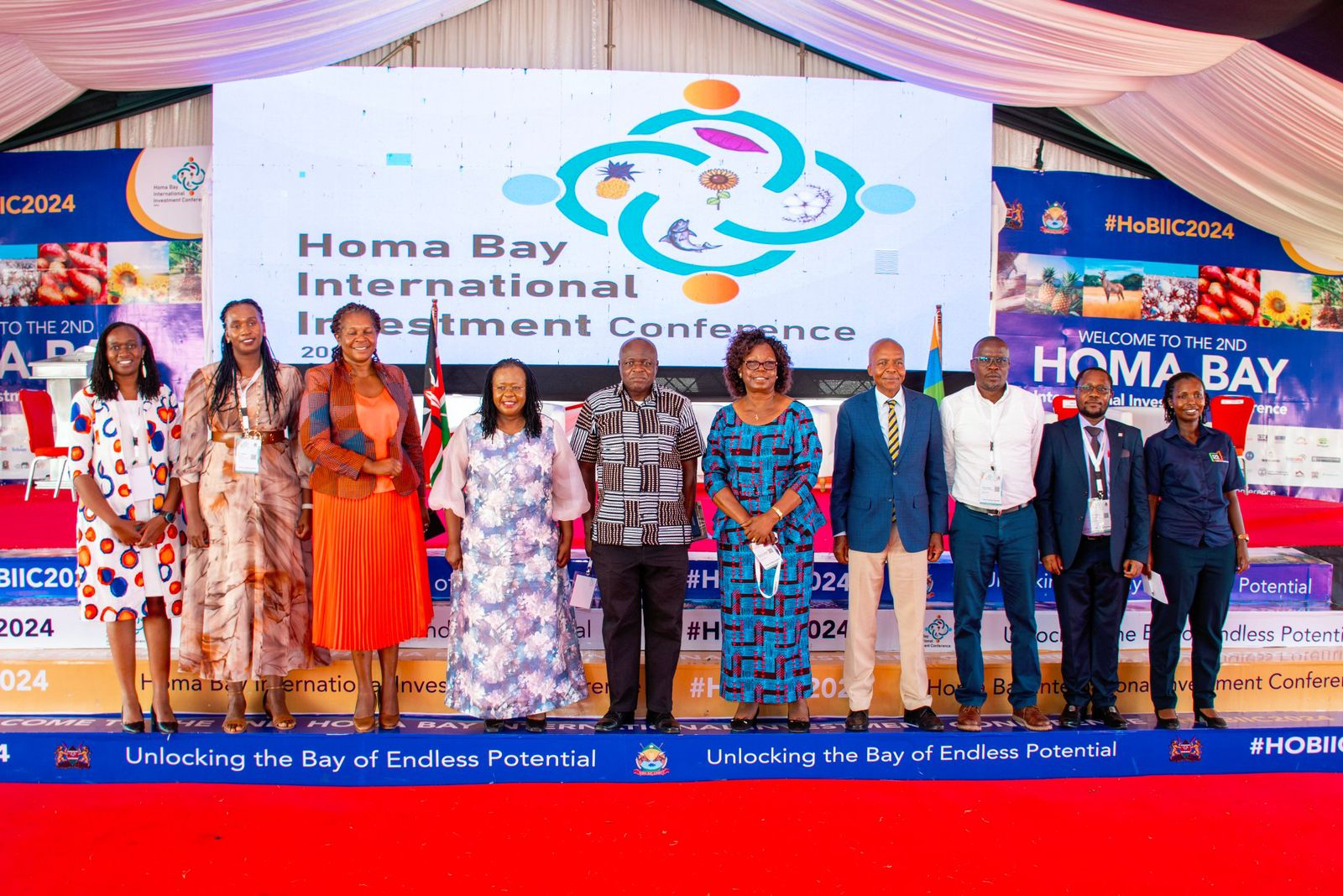
In the heart of Kenya lies Homa Bay County, a region grappling with some of the most challenging maternal and child health issues in the country. At the recent Homa Bay International Investment Conference (HOBIIC) 2024, a power panel led by Dr. Susan Ontiri, Country Director of ICRH Kenya, unveiled the stark realities faced by mothers and children in this region, shedding light on the urgent need for action and change.
Imagine a young mother, Mary (not her real name), in her early twenties, living in a rural village in Homa Bay. Mary has just given birth to her first child, a beautiful baby girl. However, Mary’s joy is overshadowed by the harsh reality of her surroundings. Homa Bay County has the highest rates of new HIV infections in Kenya, and Mary fears for her daughter’s future in a county where access to quality healthcare is a luxury.
Mary’s story is not unique. In Homa Bay County, gender-based violence (GBV) is on the rise, with many young girls like Mary experiencing abuse and exploitation. The county also faces a staggering 23% teenage pregnancy rate, leading to increased risks for both mothers and babies.
The statistics are alarming – maternal mortality in Homa Bay County is at 516 per 100,000 live births, and under-5 mortality stands at 92.2 per 1000 live births. These numbers paint a grim picture of the challenges faced by mothers and children in this region.
The power panel at HOBIIC 2024 brought together experts and stakeholders to discuss solutions to these pressing issues. One key focus was the need for a multisectoral response – collaboration across sectors such as health, education, and social services to address the complex challenges faced by the county.
Another crucial aspect discussed was the importance of policy support. By crafting and redefining policies, the county can drive impactful change in maternal and child healthcare, ensuring that mothers like Mary have access to the care and support they need.
Healthcare innovations were also highlighted, with panelists exploring groundbreaking approaches and technologies to improve maternal and child health outcomes. From innovative prenatal care to telemedicine solutions, the panelists emphasized the need for creative solutions to address the unique challenges faced by Homa Bay County.
Community engagement was identified as a key driver of change. By involving communities in healthcare decision-making and promoting health-seeking behaviors, the county can empower individuals like Mary to take charge of their health and the health of their families.
The power panel at HOBIIC 2024 ignited sparks of change and emphasized the urgency of addressing these issues to secure a healthier future for Homa Bay County. Through continued collaboration, innovative solutions, and community involvement, we can break barriers and save lives in Homa Bay County and beyond.
The stories of mothers like Mary remind us of the human cost of these statistics. Behind every number is a life, a family, and a community in need of support and care. By working together, we can make a difference and ensure that every mother and child in Homa Bay County has the opportunity to thrive.
