Despite national gains in reducing maternal and newborn deaths, many Kenyan counties especially Kakamega, continue to face persistent challenges that threaten the lives of mothers and their babies. Delays in seeking care, weak health systems, and financial barriers all play a role. But in the heart of Butere Sub-County, local leaders are rising to the occasion.
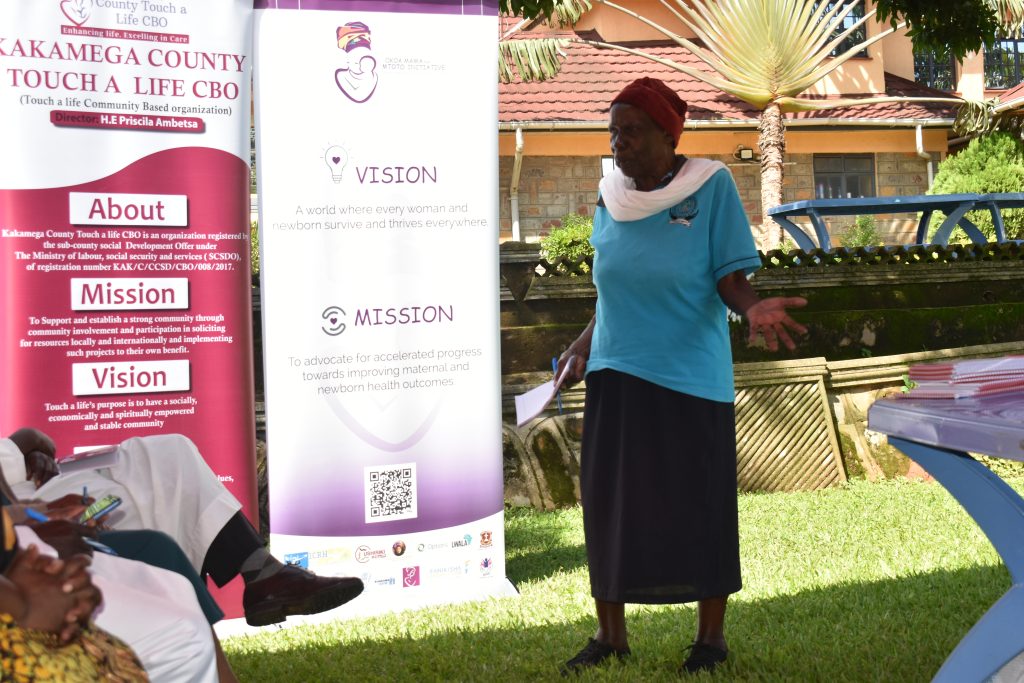
Touch a Life Foundation, under the Okoa Mama na Mtoto Initiative (OMMI) and with support from the International Centre for Reproductive Health Kenya (ICRHK), convened a powerful community engagement workshop in Mabole, Kakamega County. This gathering brought together 35 diverse participants; youth representatives, religious leaders, health workers, community health volunteers (CHVs), local administrators, and elected leaders from six sub-counties to collectively strategize on how to improve maternal and child health outcomes.
At the core of the engagement was one clear message: maternal and newborn deaths are preventable but only if every sector plays its part. Community leaders shared positive developments in Mabole, including zero home births and a sharp decline in under-five deaths since 2021, thanks to increased facility deliveries, CHV involvement, and the rollout of the malaria vaccine.
Participants were trained to identify pregnancy danger signs, understand the importance of antenatal and postnatal care, promote good nutrition, and prepare families for safe deliveries. Beatrida Lutendwa, a maternal health advocate, emphasized that saving mothers is not the work of health workers alone, “it’s a collective responsibility.”
The workshop gave space for faith leaders to speak out. Rev. Fred Akali and Sheikh Imaam Abubakar Kombo reminded the gathering that supporting mothers is not just a medical issue but a spiritual and moral duty. They pledged to use mosques, churches, and barazas to promote maternal health messages.
CHVs shared on-the-ground realities where mothers are turned away for lack of insurance, health centers missing basic supplies, and families misled by harmful myths. They called for refresher training and tools to better support women throughout pregnancy and childbirth.
Despite progress, several obstacles emerged. Delays in SHA registration, health worker strikes, and corruption in public facilities were highlighted as key threats. Participants spoke of women being denied emergency care due to inability to pay or being referred to private clinics in unethical deals.
Mabole Chief Dorothy Muhula called for stronger accountability systems, respectful care in hospitals, and male involvement to support women beyond the clinic walls.
The meeting ended with powerful community-driven recommendations to train more CHVs, engage youth, revive respectful care trainings, and hold health systems accountable. OMMI and Touch a Life are committed to turning these ideas into action.
The message from Mabole is clear: When communities lead, change happens. And in Kakamega, a movement is growing, one where no mother dies giving life, and no child is left behind.