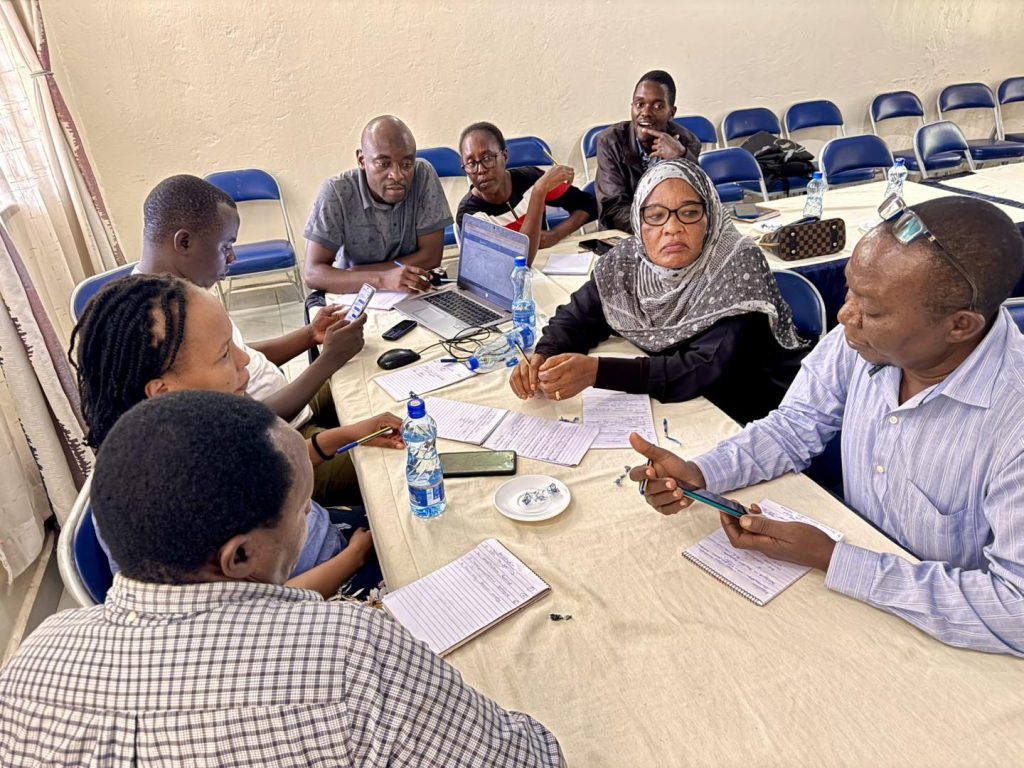
In the continued rollout of the Okoa Mama na Mtoto Initiative (OMMI) in Kwale County, International Centre for Reproductive Health Kenya (ICRHK)through Fanikisha foundation, held a critical planning and sensitization meeting with health care workers from the County Department of Health. The convening, held in Msambweni Sub-County, aimed to develop focused health messaging and strategic community engagement approaches to address maternal and newborn health (MNH) challenges in the region.
The meeting brought together county health officials, frontline workers, and program teams for a focused conversation on how to respond more effectively to the high burden of maternal and perinatal deaths. Attention was placed on four priority areas in the countynVitsangalaweni, Kikoneni, Lunga Lunga, and Diani where health indicators continue to reflect urgent gaps in service uptake, access, and awareness.
A key highlight of the session was a comprehensive presentation by Diana Joto, the County Nursing Officer, who took participants through a deep analysis of reproductive, maternal, and newborn health trends across the county. She shared data on antenatal care attendance, including patterns in early bookings and the frequency of women completing at least four visits. Her presentation also shed light on the significant proportion of adolescent pregnancies in Kwale, as well as concerning statistics on perinatal and neonatal deaths, facility-level mortality trends, maternal complications, and the uptake of family planning methods. This evidence-based discussion helped frame the challenges on the ground and formed a vital foundation for the messaging and interventions to follow.
Building on the data, participants developed a strategic community sensitization plan aimed at reducing maternal and perinatal deaths through targeted communication and outreach. The plan includes interventions focused on strengthening the capacity of facility-based staff in key health centers, alongside active engagement with Community Health Promoters (CHPs) and Traditional Birth Attendants (TBAs), who play an influential role in maternal and newborn care at the community level.
The agreed strategy will be implemented through a series of community-driven activities. These include whole-site orientations at health facilities to align all staff on best practices in MNH care. In addition, the plan calls for vibrant community sensitization barazas and intergenerational dialogues, where youth, parents, and elders will engage openly about reproductive health and the steps needed to protect mothers and babies. Community review meetings and feedback sessions will also be held to assess progress, gather insights, and strengthen accountability..
As the Okoa Mama na Mtoto Initiative continues to gain ground in Kwale County, ICRHK and its partners remain firmly focused on one unifying goal: ensuring that no woman or newborn dies from preventable causes. By centering communities, strengthening systems, and delivering clear, targeted health messages, we are taking the right steps toward a future where every pregnancy is safer, and every child has a healthy start in life.