

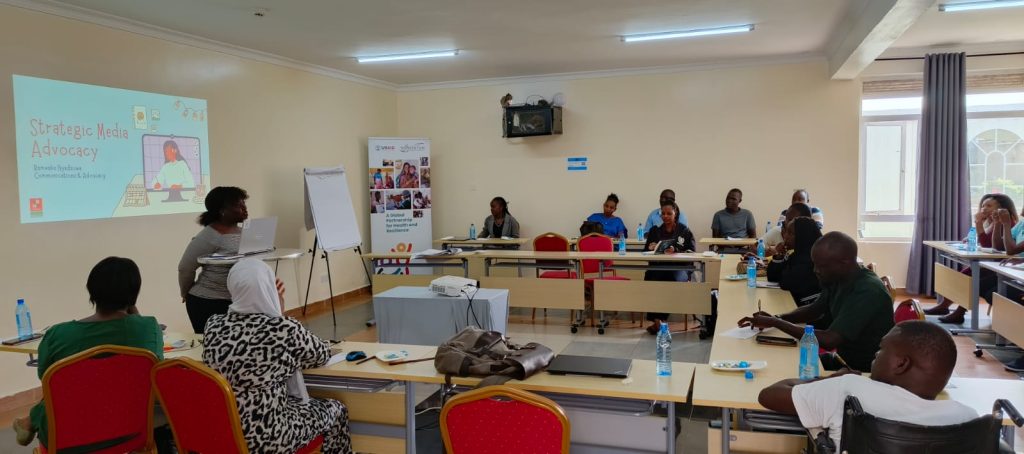
From May 20th, 2024, we embarked on an enriching journey in Machakos County, hosting a one-week intensive training focused on Sexual and Reproductive Health (SRH) Advocacy for Adolescent Rights. This pivotal event brought together community-based organizations (CBOs) and champions from Kakamega, Homa Bay, Kilifi, and Nairobi Counties, creating a collaborative and dynamic environment aimed at strengthening advocacy efforts for adolescent SRH rights.
Day 1: Setting the Stage
Our training commenced with an invigorating start as we welcomed participants from various counties, fostering an atmosphere of unity and shared purpose. The presence of the National Council for Population and Development (NCPD) was particularly impactful, as they shared their extensive knowledge and practical experiences on advocating for reproductive health rights. Their insights provided a strong foundation, equipping our participants with the tools and strategies needed to champion adolescent rights effectively.
Building a Network of Committed Advocates
Throughout the week, our primary goal was to bolster advocacy efforts for adolescent SRH rights by addressing key issues and sharing best practices. This training was not merely about knowledge-sharing; it was about building a robust network of committed advocates who will drive change in their respective communities. Participants engaged in interactive sessions, group discussions, and hands-on activities designed to enhance their understanding and skills in SRH advocacy.
Day 2: Enhancing Advocacy Tactics
Day 2 of the training was particularly remarkable. We delved deep into advocacy tactics and approaches for effective advocacy. A highlight of the day was the presence of FP2030, who led an enlightening session on empowering CBOs through smart media advocacy. Participants learned how to craft compelling messages, harness the power of various social media platforms, and engage with their audiences to advocate for significant social change. The emphasis on a strategic approach to advocacy underscored the importance of clear goals, target audiences, and impactful content.
Day 3: Mastering Media Engagement
Day 3 was another intense session focused on advocacy, where participants were taken through essential tips and tricks for media engagement. The session covered crucial aspects such as body language, emphasizing the importance of portraying confidence in all interactions. Participants also learned the significance of dressing appropriately for the camera to ensure a professional and approachable appearance. Prepping was another key point, with guidance on avoiding disorganization and being well-prepared for media engagements.
The training also highlighted the strategic positioning of oneself during media interactions and provided techniques for handling difficult situations, teaching participants how to navigate trouble without losing composure. Maintaining diplomacy was a critical skill discussed, focusing on rolling with resistance and staying calm without getting angry. These skills are vital for effective advocacy, especially when engaging with the media to promote SRH rights for adolescents.
Engaging Sessions and Practical Learning
Each day of the training built upon the last, with participants gaining valuable insights into various aspects of advocacy. The interactive sessions and group discussions were particularly beneficial, allowing participants to share experiences, challenge ideas, and develop innovative strategies. Practical activities reinforced theoretical knowledge, ensuring that participants could apply what they learned in real-world scenarios.
Day 4 to Day 5: Deepening Understanding and Commitment
As the week progressed, participants delved deeper into the intricacies of SRH advocacy. Sessions focused on specific challenges faced by adolescents in different regions, and participants worked together to develop tailored strategies to address these challenges. The emphasis was on creating sustainable advocacy efforts that could adapt to the unique needs of various communities.
Collaboration and Knowledge Exchange
The collaborative spirit of the workshop was palpable. Organizations such as USAID Momentum, USAID, Jhpiego, and the SRHR Alliance played crucial roles in facilitating
