

Background
In Kenya it is estimated that up to 30% of girls and 18% of boys experience sexual violence before the age of 18 years. ICRHK currently implements a project aimed at addressing the gaps in knowledge and attitudes on sexual violence among primary school children aged 15 years and below in Mombasa. Tuongee is a Swahili word which means “let’s talk”. The project is funded by Hope for Girls, a Belgian-based organization.
This project supports SGBV clubs in schools. School children aged 12 to 17 years are taught on their rights to be protected from sexual violence, encouraged to identify potential sexual exploitation and inappropriate sexual advances, and encouraged to report SV when it occurs. ICRHK works with police officers at gender desks, local leaders and teachers to facilitate sessions during the clubs. Familiarizing children with first-line sexual violence responders in the community gives children the confidence to report and seek justice when SV happens.
Strategies and activities
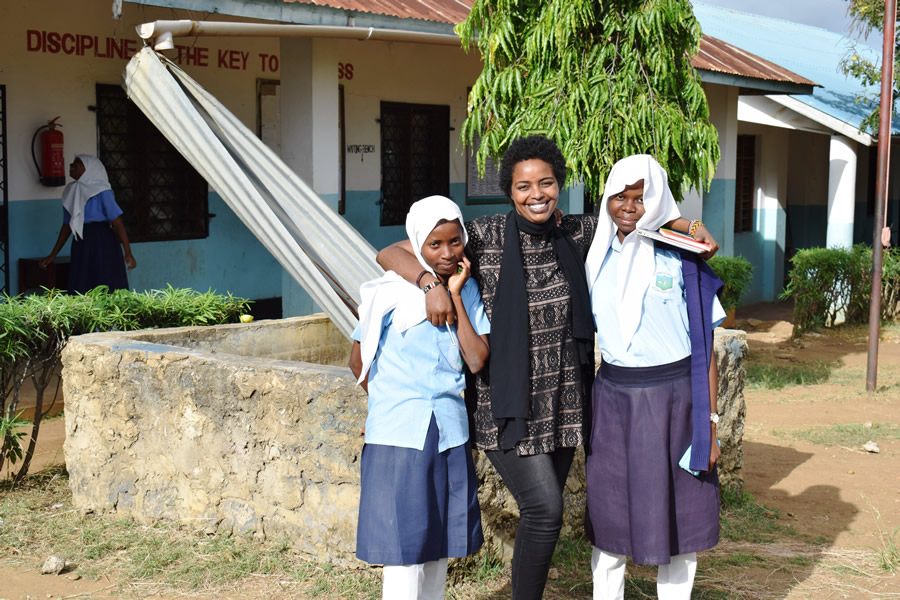
6 schools in 3 sub-counties in Mombasa were selected to host #Tuongee clubs. 3 teachers from each school were selected to attend a 5-day training on GBV. They were trained on life skill clubs and to support the #Tuongee Clubs. Thereafter, each school held Weekly club meeting. Two students were selected to lead the schools and to become sexual Violence peer educators. They educate fellow students on SV.
Project outcomes
18 teachers were trained on sexual and gender based violence. 6 #Tuongee Clubs were established in 6 schools. 60 #Tuongee Club activities were conducted in total during the year and 7,688 school children from 6 schools were sensitized on sexual and gender based violence through poems, skits and dances
Next steps
The project will develop a GIS Map for sexual violence hotspots in Mombasa County. This will provide a powerful visual tool to identify sexual violence hotspots in Mombasa County and advocate for prioritized interventions in the identified hotspots. The GIS map will be developed from records of SV survivors from the GBVRC. Trained Research assistants will collect geocodes from the indicated physical locations. ICRHK M& E will feed the geocodes and develop a GIS map.
