

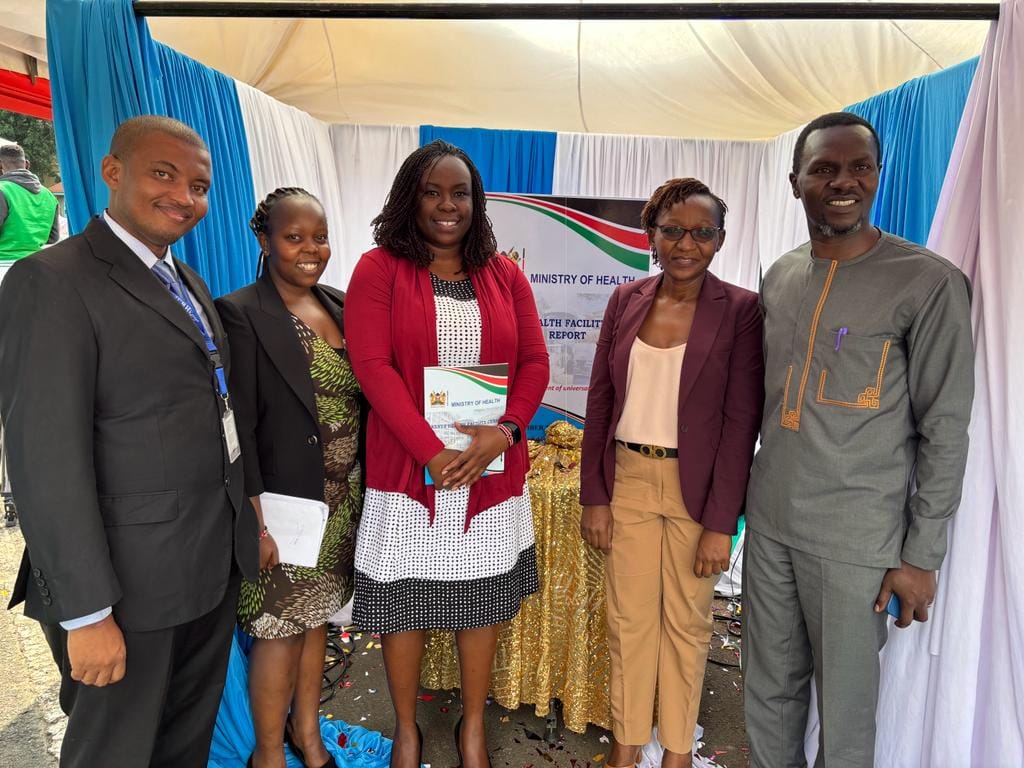
Recently, the International Centre for Reproductive Health Kenya (ICRHK) had the honor of participating in a significant event hosted by the Ministry of Health. The occasion marked the unveiling of the Kenya Health Facility Census Report, a comprehensive survey that provides a detailed snapshot of the country’s healthcare infrastructure. Covering over 12,000 health facilities across the nation, this report is a critical tool in Kenya’s ongoing efforts to achieve Universal Health Coverage (UHC).
A Comprehensive Overview
The Kenya Health Facility Census Report offers an in-depth analysis of the country’s healthcare landscape, revealing that the majority of health services are concentrated at levels 2 and 3. These levels encompass dispensaries and health centers, which serve as the backbone of primary healthcare services in Kenya. The report underscores the distribution of healthcare facilities and highlights areas that require focused attention to ensure equitable access to health services for all Kenyans.
One of the key findings of the report is the disparity in the health workforce across the country. Alarmingly, only 12 out of the 47 counties have met the required numbers of health workers per population, including nurses, clinical officers, and doctors. This shortfall presents a significant challenge to achieving UHC, as an adequate and well-distributed health workforce is essential for delivering quality healthcare services.
Addressing Workforce Challenges
The report’s findings on the health workforce have prompted the Ministry of Health to call for urgent and collaborative action. Ensuring that all counties have the required number of health workers is paramount to strengthening the healthcare system and improving health outcomes. The Ministry emphasized the importance of collaboration among various stakeholders, including development partners, the government, and healthcare providers.
By working together, these stakeholders can develop and implement strategies to address the workforce gaps. This includes investing in health worker training, recruitment, and retention programs, particularly in underserved areas. Additionally, there is a need to create an enabling environment that supports health workers’ well-being and professional development, ensuring they are motivated and equipped to provide high-quality care.
Commitment to Universal Health Coverage
Kenya’s commitment to achieving UHC is evident in its efforts to enhance healthcare infrastructure and address workforce challenges. The Health Facility Census Report serves as a critical resource for policymakers, health planners, and stakeholders, providing them with the data needed to make informed decisions. It highlights the progress made and identifies areas that require focused attention, guiding efforts to strengthen the health system.
Universal Health Coverage is a fundamental goal that aims to ensure all individuals and communities have access to the health services they need without suffering financial hardship. Achieving UHC requires a multi-faceted approach that includes expanding health services, improving healthcare quality, and ensuring financial protection for all Kenyans.
Moving Forward
The unveiling of the Kenya Health Facility Census Report marks a significant milestone in the country’s journey towards UHC. It provides a clear picture of the current state of healthcare facilities and workforce distribution, offering a roadmap for future actions. As ICRHK, we are committed to supporting these efforts through our research, advocacy, and community engagement initiatives.
By leveraging the insights from this report, we can work collaboratively with the Ministry of Health and other stakeholders to address the identified challenges and drive progress towards UHC. Together, we can ensure that all Kenyans have access to the healthcare services they need to lead healthy and productive lives.
